
In this episode of Ann Arbor SPARK’s CEO Podcast, Paul Krutko sits down with U-M Innovation Partnerships’ Kelly Sexton to explore Ann Arbor’s innovation ecosystem, record-setting startup activity, and the discoveries taking center stage at Celebrate Invention during a2Tech360.
READ INTERVIEW
Paul Krutko: Welcome to Ann Arbor SPARK’s CEO Podcasts…Conversations on Economic Opportunity. My name is Paul Krutko, and I’m the President and CEO of Ann Arbor SPARK.
Today we’re talking about one of the things that really defines the Ann Arbor region: the connection between world-class research, entrepreneurship, and the broader innovation ecosystem that helps turn great ideas into real-world impact. And there’s no better person to have that conversation with than Kelly Sexton.
Kelly is the University of Michigan’s Associate Vice President for Research – Innovation Partnerships and Economic Impact. In that role, she provides strategic leadership for the university’s innovation, corporate research, and technology commercialization activities, including overseeing Innovation Partnerships. Her team works with U-M researchers and innovators to move discoveries beyond the university — whether that’s through licensing, industry partnerships, investment, or the creation of new startup companies.
Kelly also knows Ann Arbor SPARK very well from another perspective: she serves as chair of our Board of Directors.
She’s joining us as we get ready for a2Tech360, our annual celebration of innovation and technology across the Ann Arbor region, taking place September 22 through October 2nd. U-M Innovation Partnerships is once again part of this year’s lineup with Celebrate Invention, the university’s signature event that honors U-M inventors and the growing impact of U-M innovations.
Kelly, welcome back to the podcast.
Kelly Sexton: Oh, thanks, Paul. I’m delighted to be here and so excited for a2Tech360.
Paul: Well, we really want to focus today and we are on Celebrate Invention. Let’s just start off. You have a unique vantage point as both a leader of the University of Michigan and Chair of the SPARK board. When you look at Ann Arbor’s innovation ecosystem today, what do you think makes it distinctive?
Kelly: Yeah, so I’m excited to talk about Celebrate Invention. I’m so glad that it’s part of a2Tech360, and I think that speaks to one of the things that makes our innovation ecosystem distinctive is our collaboration. The other components are our momentum and the potential behind our innovation ecosystem. So we’re so fortunate to be building on work that was established thanks to years of visionary leadership and sustained investment from the university, from the entrepreneurial and investment communities, the private sector, and partners across our region. Thanks to their hard work over many, many years, Ann Arbor has really built the foundation for an incredible innovation ecosystem.
We have one of the world’s great research universities generating an extraordinary pipeline of new discoveries. We have Ann Arbor SPARK providing the connective tissue across our broader region, and we have experienced entrepreneurs, investors, corporate partners, entrepreneurial talent, and increasingly sophisticated commercialization infrastructure.
On the University side, we’ve made significant investments in programs like our Mentor-in-Residence network, translational research funding like the MTRAC programs, and now startup creation and investment programs like the Accelerate Blue Foundry and the Accelerate Blue Fund. Importantly, all of these resources have been built in close partnership with the Michigan Economic Development Corporation.
So no single program explains what’s happening here, but it’s really the effect of an innovation ecosystem that is maturing and one that’s where we’re becoming much more intentional about building on our strengths by helping great innovations move from the lab into the marketplace.
Paul: Well, I want to let you take a bit of a victory lap on that topic. Your office, because I know your university’s year is a fiscal year, now that’s July 1 to June 30. So your office recently released its latest numbers and U of M had another remarkable year for commercialization with 726 invention reports, 339 licensing agreements, and 40 new startups in fiscal 2026. So you talked a little bit about the culture, but I guess for the audience, frame that in terms of where U of M stands nationally, because I think you talk about numbers and people go, “Oh, that’s interesting,” but it reflects preeminence, I think.
Kelly: Yeah, Paul, those numbers really reflect the culmination of everything I had hoped for and aspired to when I was asked to join the University of Michigan now eight and a half years ago. It reflects what I always knew was possible. So we’ll start with the number of inventions. So as you mentioned in fiscal year 26, University of Michigan researchers entrusted our office Innovation Partnerships with 726 of their inventions. This places the university in a really incredible cohort of institutions. There are only two universities in the US whose faculty have ever produced more than 700 inventions. That’s MIT and now the University of Michigan. So it really speaks again to the strength of the Ann Arbor ecosystem, this incredible resource that we have that we’re truly building our ecosystem upon.
So the other stat that you shared, 40 new startup companies. I’m tearing up as I speak about it because this was really an incredible milestone for the institution, for our team, for our ecosystem. To put this number in perspective, it’s the highest number of startup companies out of the University of Michigan ever, but based on publicly available data, this is currently the highest number ever reported by a US university, and it represents launching an average of a new startup company every nine days.
And we take incredible pride and we place so much hope in every one of these startups because these are typically teams that we have been working with for years and we are there celebrating their launch as an official University of Michigan startup company, connecting them with all of the great resources that our ecosystem has to offer, including Ann Arbor SPARK, to give them every chance to change the world.
And so behind these numbers, what you need to understand is these are the leading indicators of impact. These 40 startup companies are advancing new therapies for cancer, creating amazing new medical devices, advanced materials, mobility innovations, energy solutions. These will be the big things that people will be talking about five, 10, 15 years from now about things that are really creating improvements in people’s lives and growing our economy.
Paul: Well, one of the things, I recently was in a conversation and you know that these conversations are going on around an Innovation Alliance, and there was a comment made that was like, well, how important are university-based startups versus the broader startup community? And my comment in that was, well, it’s incredibly important because these are the ones who have got real technologies that we can respond to and evaluate. One of the things we’re very careful about right now, and it’s a little editorial comment, is with AI, you have people who use AI to create a concept, a product idea, and it’s like, well, okay, you’re not where these startups are, and that’s why we think these are so important for the entire region to support their development and growth.
Kelly: Absolutely, I appreciate that. And you mentioned the Innovation Alliance. It’s another reason that I’m incredibly optimistic about this ecosystem, a group of us coming together to help really shine a spotlight on what can be possible for Michigan’s economic future if we have an economic development strategy that’s focused on innovation. And this could be the subject of an entire other podcast.
Paul: Right, but your point you made earlier, this is the starting point for that kind of effort. It’s what happens and what we’re working on is what happens with the support we give these companies in the next steps, which are really what we’re focusing on that.
Well, let’s talk about Celebrate Invention. It’s really become a significant signature part of a2Tech360. For someone who’s never attended, what is the event really about and who should have it on their calendar?
Kelly: Okay, great. Well, first of all, the event is free and open to the public. So anyone who cares about innovation and entrepreneurship, who is interested in research or just wants a glimpse of the future, should register and come. So for one afternoon a year at the Michigan Union, we bring together university researchers, our inventors, we bring together entrepreneurs, investors, and the partners from across our innovation ecosystem that are helping us drive our momentum. We feature a reception, which is basically show and tell for research and innovation. You can walk around, you can see technology demonstrations, you can meet the startup founders, you can talk to the incredible inventors, the graduate students who stayed up all night getting the technology demonstration ready. You can really see the things that are kind of poised to change the world. This is not just for scientists and inventors, it’s truly for our community.
Paul: So it also includes a sort of award, I guess, the best way to describe it, where you honor the Distinguished University Innovator of the Year and that person makes a presentation and there’s a panel. What can attendees expect from that conversation and what does this recognition represent for the university community?
Kelly: Yeah, absolutely. So the Distinguished University Innovator of the Year Award is really designed to recognize a faculty member who has done something really difficult, taken a breakthrough idea and helped move it all the way toward real world impact. It is in fact the university’s highest honor for research translation. So as a fun fact, the award was actually created by Stephen Forrest, who in addition to being a former vice president for research at the University of Michigan, was also a former board chair at Ann Arbor SPARK. And I very much view Steve as one of those visionary leaders who helped enable the momentum that we’re really seeing and enjoying today. This year, I’m so excited. We’re recognizing Dr. David Humes, a clinician, a physician scientist whose story is just extraordinary. Over more than two decades, he worked to advance a technology designed to treat critically ill patients.
He pushed forward through scientific challenges, clinical trial challenges, changes in companies, and even a nationwide shortage of a critical material that was essential to the therapy. He never gave up. He kept pushing forward because as a clinician, he knew the potential patient impact was just so significant and that he was approaching an entirely unmet medical need. His persistence has led to the FDA approval of a device for the treatment of certain critically ill children with acute kidney injury and sepsis. And we’re so excited to celebrate the impact of his research, get a glimpse of what the future holds for the company, SeaStar Medical, that’s commercializing this device. The conversation will be about more than just this one device. It’ll be a chance to hear from David, to honor his impact, but also to think about what the award represents, persistence, partnership with investors and startup founders, and a commitment to impact that really defines what we’re trying to achieve.
Paul: Yeah, I think it’s one of the things that’s always important for when we have conversations with you or with the vice president of research or even the president, the notion that the university has that it is trying to solve big problems and change things in the world and is why the university does the things it does in terms of investment in certain things to move that forward. And so it’s really important to really realize for our audience that the university’s impact is, we feel it very strongly, obviously regionally and in the state, but it’s a global impact what happens there.
So we talked a little bit about this. Celebrate Invention often gives people an early look at ideas and technologies before they reach the marketplace. And I think for me, that’s what I think is the funnest part of it. You described there are displays, there are the folks that are involved with them, they’re very ready to talk about what they’re working on and why they’re excited about it.
So I guess I just want to take you back in time. Are there any inventions showcased in years past, and I know of one, but we’ll see what you say, that have since become commercialized products or successful companies?
Kelly: Oh, I want to hear your story because you’ve probably attended more of these even than I have. So one example that I’ll share is KOMZIFTI, which is based on work from researchers in our school of medicine, Jolanta Grembecka and Tomasz Cierpicki. They were standing at one of these kiosks back in 2015 and talking about a breakthrough they had had in an understanding of how to treat acute myeloid leukemia. Fast-forward to today, this technology is now an FDA approved therapeutic KOMZIFTI. It’s being used to treat patients of acute myeloid leukemia across the country. And ultimately, speaking back to your point, the goal is globally. So people attending this event were seeing a breakthrough cancer therapy a decade before it reached patients. Another example is Endovascular Engineering, which is a startup company. It grew out of a vortex catheter that was showcased back in 2017. It’s now approaching FDA approval.
In 2018, which was my first Celebrate Invention, attendees could see early stage startups including May Mobility, which I know is very well known to Ann Arbor SPARK as well as Censys, a cybersecurity startup. Both of these companies have gone on to become really successful startups located right here.
And so this for me is what makes it so fun. You really might be looking at and meeting with the inventor, the startup founder who’s going to change an industry, save lives years before the rest of the world has caught on. So what’s yours, Paul?
Paul: Well, I’m only one, and it’s just recent. I mean, one of the things that I find interesting about the event or beneficial about the event, is you get exposed to things like that. We have a rich environment and we are all very busy and paying attention, so we already sort of shined on Steve Forrest a little bit. When he presented at Celebrate Invention, I didn’t know anything about the company, and so we got really excited about it. And it’s funny because he was chair of SPARK and we have a relationship with him, but there hadn’t been any connection about the new thing he was doing in this company. And we have since been working very closely with them and his team about their next step, which would be a manufacturing step here in Ann Arbor. And that’s the payoff that SPARK tends to really focus on. Can we help these companies grow here to create jobs and opportunities for people here in our community?
So that’s mine, it’s that one. But again, that’s what I’ll be looking for is when I come to the event, we’ll be walking around and seeing from that lens who has the potential. Because as you said, some of these are therapeutics, some of these are devices in a variety of technologies. And so that’s how I kind of look at it. For this year, is there anything you are particularly excited for people to see or experience?
Kelly: Absolutely. We work really hard when we’re selecting the kiosks for display to really try to showcase the breadth of what’s happening at the university. So this year we’re going to feature ArtOva. This startup team is developing an implantable therapy that’s designed to restore natural hormone production in young girls and young women who experience ovarian failure following cancer treatment. So really unmet medical need, really huge opportunity for these patients. On the other side of the technology spectrum, we’ve got Aquora Biosystems. This team grew out of Michigan Environmental Engineering Research and they’re developing a technology that can convert organic waste into renewable fuels, including sustainable aviation fuel.
Paul: Oh, wow.
Kelly: So in the course of walking around a room, you can go from a potential new therapy for young cancer survivors to a technology addressing the future of sustainable energy. And of course, we’re going to have SeaStar Medical, the startup company commercializing our Distinguished University Innovator of the Year Award winner, Dr. David Humes’ device, and there’s going to be so much more.
And on top of all of this, you never know who you’re going to reconnect with, meet with. The people from our ecosystem that this event draws out is just extraordinary. And so it’s just a really rich networking opportunity on top of everything.
Paul: The event itself supports one of the themes of what we’ve been trying to do over the years with a2Tech360, which is to give the community an opportunity to learn about what’s going on in terms of new companies and technologies and why we have the emphasis on this effort.
When we first started, I think you’ve heard this story many times, but for the audience, we started with Tech Trek, only one thing in an afternoon. And we had this notion that it should be something sort of like, people will get the analogy, I think, Parade of Homes, that you got a chance to actually see a company and talk to somebody about what they’re doing. And we were finding that the community didn’t really understand, if you will, the broad research agenda of the university, the kinds of things that were coming forward. And that’s the theme and Celebrate Invention fits right into that.
Well, again, thanks for taking time. I know how busy you are to do this podcast.
Kelly: Paul, thank you so much to you and the Ann Arbor SPARK team for all you’re doing, for the community, for putting on a2Tech360 and for having Celebrate Invention be a part of it. We’re thrilled.
Paul: And for everybody listening, this is a great time to experience that innovation ecosystem for yourself. Again, a2Tech360 runs from September 22nd through October 2nd with events happening throughout the Ann Arbor region, and you can see all of them on our website. There are events that SPARK’s producing, but also partner events like Celebrate Invention. Celebrate Invention, write this down, takes place Thursday, September 24th from 3:00 to 6:00 PM at the Michigan Union. It’s free, it’s open to the public, but you need to register to be able to participate. You can register for Celebrate Invention, explore the full a2Tech360 lineup and build your schedule at a2tech360.com. We hope to see you there.
And I want to thank our audience for listening and learning more about SPARK and how we impact the Ann Arbor region’s economic future. These conversations are brought to you by Ann Arbor SPARK. For more information about Ann Arbor SPARK, you can find us on the web at annarborusa.org. We’re also on Facebook, Instagram, and LinkedIn.
Kelly Sexton’s Bio
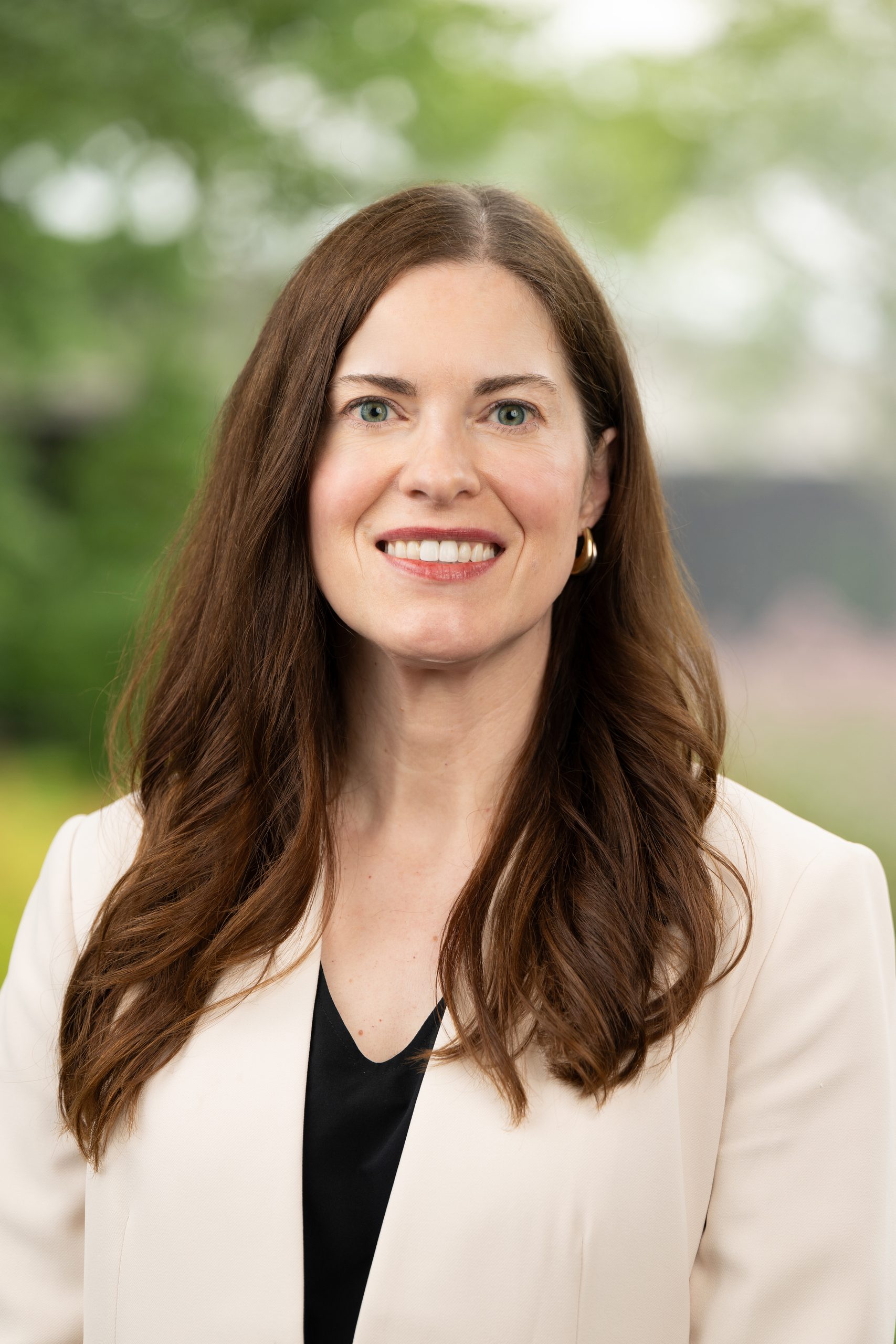
As Associate Vice President for Research – Innovation Partnerships and Economic Impact, Kelly works closely with the Vice President for Research and Innovation as well as other leaders across the university to provide visionary and strategic leadership of U-M’s innovation, corporate research and technology commercialization activities, including overseeing Innovation Partnerships. In this role, she supports and encourages university-wide programs for intellectual property development, innovation and engagement with business and venture communities in the region, across the nation and around the globe.
Prior to her arrival at U-M in 2018, Kelly was the Assistant Vice Chancellor for Technology Commercialization and New Ventures at North Carolina State University, where she served as principal investigator for an NSF I-Corps site and co-founded an alumni angel investor network to provide a new source of funding for university startups and spinouts.
Kelly holds a B.S. in Biochemistry and Molecular Biology from the University of Georgia and a Ph.D. in Molecular Pathology from the University of California, San Diego where she was supported by a fellowship from the California Breast Cancer Research Foundation. Kelly completed her postdoctoral studies at Stanford University where she was awarded a fellowship from the Susan G. Komen Breast Cancer Foundation. Kelly serves as co-chair of the U-M Roundtable on Innovation and Entrepreneurship, on the Board of the Michigan Venture Capital Association, and as Chair of the Ann Arbor SPARK Board of Directors.
