In this episode, Paul Krutko talks with Mike Flanagan, SPARK’s Vice President of Capital Programs, about how SPARK helps early-stage tech startups access the funding they need to grow. Flanagan explains how SPARK Capital and the Michigan Angel Fund fill critical gaps in Michigan’s investment landscape, supporting companies through the “valley of death” between idea and revenue.
READ INTERVIEW
Paul Krutko: Welcome to Ann Arbor SPARK’s CEO Podcast…Conversations on Economic Opportunity. My name is Paul Krutko, and I’m the President and CEO of Ann Arbor SPARK.
Today is part of our continuing series to give you detailed information about each of our programs. Joining me today is Mike Flanagan, who is the leader of our Capital Programs, which helps early-stage tech companies access the funding they need to grow. As Vice President of Capital Programs at Ann Arbor SPARK, Mike leads the organization’s investment efforts, including SPARK Capital and the Michigan Angel Fund, with a focus on supporting scalable, high-growth startups across the state.
Mike’s background is in early-stage finance and a unique understanding of Michigan’s entrepreneurial landscape, and he has been really instrumental in expanding access to capital for local founders. He works closely with investors, public partners, and entrepreneurs to bridge funding gaps and build a strong pipeline of innovation throughout the region.
Great to see you, Mike.
Well, let’s start off, can you give our listeners a big picture overview of Ann Arbor SPARK’s Capital Programs team, and what role does the team play in SPARK’s broader mission?
Mike Flanagan: Thanks, Paul, for having me. Yeah, so the team is myself and Lauren DeVries, and then we have a network of venture partners that we work with from the ecosystem, mostly other startup founders that have had successful exits that are helping us in the due diligence process.
A little about me, I started my career in banking and finance and then went back and got a master’s in public policy and wound up at MEDC for about seven years, the Michigan Economic Development Corporation, where I wound up running the venture capital programs for the state and kind of got to know the ecosystem that way and then knew Skip Simms very well, who ended up recruiting me, and it was good timing. I had gotten kind of the entrepreneurial bug, so to speak, and was interested in working closer with the startup community. And then Lauren has been with SPARK, I think about five years now, and came from a business degree background in the U of M Growth Institute, if I remember correctly. And then, of course, worked with Bill Mayer on our team at the entrepreneurial services team working directly with startups for a few years before she joined the capital team.
Paul: And so one of the things, and I think you’re going to touch on it a little later, but you mentioned Skip Simms — for the listeners to understand the engagement in thinking about capital for our early stage companies was something that was identified very early on. And so Skip Simms was, I believe, employee number two of SPARK when we got founded around 2006. We started with this idea of thinking about the investment side soon after that.
So Mike, one of the things that we often share with folks is this understanding of how early startups and early-stage companies get financed, and how your team supports them from sort of the beginnings of an idea to maturity. Can you walk us through how SPARK Capital aligns its support across the different phases of a startup’s lifecycle, from problem-solution fit to venture rounds?
Mike: Yeah, sure. Well, and this is a little bit of a complicated graphic, but something that I’ve used pretty much my whole career in the ecosystem to try to understand what we do. We call it the capital continuum, and you can just look on the Y axis, you’ve got profit, and then time is the x axis. And really, you can see we’re highlighted in yellow. We’re trying to help companies get through the valley of deaths, as it’s so-called, with pre-seed funding and seed funding rounds that are really helping, as you said, to get from kind of very early idea stage where you’re trying to find problem-solution fit through the startup stage where companies are really out there and have gone to market are starting to try to gain traction with customers and trying to get to product market fit. And they call that the “valley of death” because the companies at that point are really heavily into research and development spending and not a lot of revenue coming in yet because you’re really trying to get to that point with customers.
So we’re helping bridge that gap and in the ideal world, you’re helping them get to that growth stage where they start to get some velocity with customers. And then oftentimes they’re raising a true venture capital round, so to speak, where you have a venture firm leading a series A and hopefully then they’re off to the races. But that’s kind of our role. We incrementally finance companies through that process as they kind of gradually de-risk, which is an important part of the process. And then it’s sort of an iterative process all the way through for these startups, including going to different series of potential capital rounds.
Paul: Let’s move on to the next slide, where you can talk specifically about SPARK Capital. So it was originally formed in 2007 as the Michigan pre-seed fund. What was the gap in Michigan’s entrepreneurial ecosystem that this program set out to fill, and how has it evolved since then and what kind of impact have you seen over the years?
Mike: Yeah, great question. I mean, Michigan, like a lot of the middle of the country, has not historically had a lot of what we call risk capital, which is capital for early-stage companies. Really, a lot of it on the coasts, especially Silicon Valley. And so as a state decided early in the 2000s that we needed to get in that game, if you will, in order to really diversify the state’s economy away from just the manufacturing base, which we had traditionally, and so the state did a number of different things, but that included forming this Michigan pre-seed fund. And Ann Arbor SPARK was the first manager of that. It was really designed to fill that very early gap where venture capital firms didn’t traditionally operate. It was too early for them. And companies often have trouble bootstrapping at that point because you’re talking about sometimes several million dollars that need to come into play. And so really the state just decided strategically, it makes a lot of sense, and we can talk more about it, but just in terms of the outsized economic growth potential that these types of companies create, that was really, I think, the philosophy behind it. And yeah, it’s been a great process since then.
Paul: And I think an important thing to note as we move to the next slide was that the state’s effort was largely an economic development effort, not an investment effort. The idea was that, as you said, to try to diversify the state’s economy by supporting early-stage companies in a variety of technologies here at home. And here, this slide speaks to your work and your predecessor’s work since we began that effort. So we’ve invested in 129 companies, we’ve seen $16 million in returns to date.
What kind of companies tend to thrive through our support and what are some of the success stories that you’re particularly, particularly proud of?
Mike: Yeah, no, great question. And yeah, it’s been a good partnership with the state and like you said, we’ve invested in a lot of companies across a whole range of sectors, and we will probably get into it a little bit more as we go through, but we’re really after those high potential growth companies that need this type of capital, given what I mentioned before about the heavy R&D spending. And so we’re trying to help them get through that process.
And there’s too many good examples to talk about, but one that’s kind of always been close to home for me is a company called SkySpecs, which is an Ann Arbor-based company, and has gone through a lot of the different programs that SPARK offers at the earlier stages, too, through the entrepreneurial services team. It was a University of Michigan engineering team that created the technology while they were still in school, and then came out of school and found kind of soft landing with SPARK. And then ultimately we ended up investing in them through the SPARK side as well as the Michigan Angel Fund side, which we’ll talk about.
And I had the opportunity to be a board observer early on in the process and just got to see the dynamics there and was kind of blown away by the talent that we have here and watching the milestones they were able to hit over a short period of time. And now, of course, they’ve grown into a 500-person company and they’re international, and they’re the leader in their space, which is when turbine inspections are doing thousands of ’em all over the world on an annual basis. So that’s a great story and really I think showcases a lot of the work that we can do from the very early stage all the way through as they’ve grown and raised over $100 million dollars now since we invested.
And then in terms of our returns, I’ll just mention we’ve had over 30 companies that have provided returns that we’ve invested in and had successful exits. And again, there’s probably too many to talk about there, but one that’s kind of interesting is a company called Seelio that was in the EdTech space, a guy named Moses Lee, who was the founder, had a successful exit and provided some return that we’re now able to recycle back into new companies. And then Moses now has been a great partner — he’s a successful founder in the ecosystem, and he’s, as I mentioned earlier, we have this venture network of venture partners and Moses is one of those folks that now helps us as we’re sourcing new companies to invest in and doing the due diligence process. So it’s kind of a neat story.
Paul: So again, just for the audience who is looking at this particular slide or those who might be listening, what we’re sharing here is that we get additional capital that capital recycles as we get returns that money is then put back in the fund, and we then have resources to support the next early-stage company.
But I think the other thing that’s important to note is this early capital, as we talked about in the prior slide, is positioning them for future investment. And what we’re very proud of is that over the years of our involvement in this program, companies that we have supported have been able to get another $1.1 billion plus in capital from other sources to help their growth.
So Mike, let’s talk about your investment criteria.
Mike: Yeah, so we’re exclusively looking at Michigan-based startup companies, of course, and as I mentioned earlier, it’s that early kind of pre-seed and seed stage is the nomenclature, high-growth oriented companies with large market opportunities. So really, I mean the mandate from the state is, and I agree, is trying to find the opportunities that are going to create disproportional growth for the state of Michigan. That’s why it decided to strategically make these investments. And these are very similar to the venture capital criteria you would see from other venture capital firms. And for me, a big part of the equation at this stage is the team, I guess like the Bo Schembechler quote, “The Team, The Team, The Team.” And a lot of it is getting to know these folks, understanding their backgrounds, and do they have the right mix of capabilities to take something to the next level, because at this stage it’s still quite early. And so the skills and the personalities and those sorts of things are very important part of our work as we’re evaluating these companies.
Paul: I think also to share the last bullet on this slide, it talks about private co-investment. And I think the one thing we would also want to share is we’re not doing this just alone. We’re making sure that there is matching capital coming in with our investment. You might want to take a moment to discuss that.
Mike: Yeah, that’s a great point and thanks for pointing it out. It is a very important part of the process. I mean, we are taxpayer dollars and we want to make sure we spend those wisely. And so part of the thought there is to make sure there’s private individuals or investors that are having a lens on it and that they’re coming in and investing in these rounds of capital as well. And so that’s one piece, is to help validate the investments we’re making. But number two, obviously, these companies need capital and we don’t have enough to do it alone, so we’re investing in rounds of capital and as a result, you really need private money in these deals as well.
Paul: So let’s talk about, what is that investment process? How do you walk through a typical investment?
Mike: Yeah, I would say very similar to what you’d find in a venture capital due diligence process. And I think we go a little faster than most VCs, which is nice, but we’re really looking for initial information from companies. We’re seeing and talking to hundreds of companies on an annual basis. So we take in some initial information, review it, see how it fits from an initial screening perspective, so we have some initial screening criteria we use to do that. And then from there, we’re kind of working our way down a funnel, if you will, where we’re having an initial meeting with companies and then we’re moving into, depending on how that goes, a more extensive due diligence process. So you’re really getting to meet different members of the team. In a lot of cases, we’re bringing in folks to help us do the technical due diligence to actually go in and really understand the technology at a deep level. We’re talking to potential customers and partners of these companies to understand from these third-party perspectives what they think and what the market looks like in general.
So it’s really kind of soup to nuts, trying to understand what’s going on. And that all leads into, if we get there and we think an investment makes sense, then we put a proposal together and we have an investment review board that’s made up of venture capital that’s primarily based in Michigan. And we try to match these proposals with the appropriate experts on the review committee. And then if we get to an investment, we will work to close those and fund those. And then as I mentioned before, we have still about a hundred portfolio companies between our various investment arms, and we maintain these ongoing partnerships, and we try to be as helpful as we can.
We have a very big network, so a lot of it is connecting startups with each other and with other investors and with potential customers, and then just trying to be a soundboard for them as they’re going through their growth curve. And hopefully we can be of assistance.
Paul: So we’ve supported a wide range of companies. If we move to the next slide, some of these names might be recognizable by people who have joined the podcast. In terms of this, though, what are some of the sectors or innovations that are especially exciting right now?
Mike: Yeah, I mean we are really sector-agnostic, so we’re across the board. I would say technology and software, life sciences, mobility, advanced manufacturing. Cybersecurity is a big, I would say cluster in the Ann Arbor area in particular. So I mean we’re really looking at all sectors and trying to, as I said before, diversify Michigan’s economy.
But of course we do have some strengths here, so we’re always looking for those types of companies. Again, I think cybersecurity is definitely a strength, and mobility, of course. And of course we do have a good life sciences presence in Michigan, so we’ve made a lot of investments across that sector as well.
Paul: So some good news recently, ourselves and partners like Invest Detroit have been asking the state to provide some additional capital. The goal here is that what revolves it becomes what we call evergreen, which means that there are sufficient funds revolving at any time that we can serve the needs of a particular company. And we’ve had some success recently. So maybe speak to a little bit about what’s coming and how you expect that to be deployed.
Mike: Yeah, well this is great news and we were one of several funds that last year received $5 million in new funding from the state through the Michigan Innovate Capital Fund (MICF) program. That was really a big milestone, I think, for the state of Michigan and for SPARK. I think the state decided it was time to re-up a number of the funds that had been doing this kind of work over the last 10-plus years. So yeah, we’ve been operating on that over the last year. We’ve invested in over 20 companies since receiving that funding.
And then as you know, in working on this with us, we’ve had a coalition effort for the last couple years now working with that same group to really lobby for additional funding because we think it’s a very important space. It’s been underfunded probably for the last 10 plus years, and luckily we’re successful in that effort with the legislature and the governor’s office. And so the new Michigan Innovation Fund program just came online and we’re just in process of receiving another $10 million from the state through that program. So, that’s huge for us. It’s going to enable us over the next five years to do 20 to 25 investments a year. We will wind up investing in over a hundred companies just from SPARK.
And we’re one of, like I said, a handful of others like Invest Detroit and Michigan Rise and BRCC and a few others that have received this funding. And so it’ll end up resulting in over 500 companies that get funding, thousands of high paying jobs, and we think it’ll have a significant leverage effect. Like you mentioned before, we’re targeting $5 billion in leverage over about a 10 year period, so could be a very big impact for the state.
Paul: So that’s one side of our investment program. The other side is our work with Angels, and this is an area that SPARK took the lead on in the early part of the last decade, in 2013, with an eye that we really needed to see if we could spur more angel investment. So maybe walk through the concept, Mike, and then how does it work with the program we just talked about in terms of SPARK Capital?
Mike: Yeah. Well first of all, for folks that don’t know, angel investors are high-net-worth individuals that are accredited kind of under this SEC definition, and they’re able to invest in these startup companies that are obviously high-risk. And we’ve really wanted to cultivate angel investment in Michigan from going back to the early 2000s, just understanding how big of a role they also play for this very early stage. And it’s a big industry. I don’t think people realize it’s a $25 billion a year industry in the US alone. Most of it you find on the coasts. And it’s been a bit of a process to educate folks on the value of this and get them interested in the process. And so the Michigan Angel Fund was formed with that goal in mind of just going out and saying, Hey, we’ll raise our hand. And luckily, the state supported that with an initial grant to help the funds get started.
Skip Simms started this in 2013 and it’s now the largest angel group in the state. So we have 160 members across five different funds. We’ve done a fund model and invested in over 40 companies, I think, $25 million combined. We’ll probably get into that. But yeah, it’s a very important part, like I said, of that Valley of Death. And we’ve been working alongside some other angel groups over the last 10 years to build the base of high net worths in Michigan that want to do this type of activity. And there are a lot of them. We think there’s been estimates of 90 to a hundred thousand households. So we’re not there yet. We’re still trying to educate and promote this. So it’s good to talk about it whenever we can.
Paul: So let’s go to the next slide, which is similar to the kind of way we present what we do with SPARK Capital. I think the important part about this is, though, unlike SPARK Capital, which is seeded with initial grants from the state of Michigan, the role that the state played here was to say to SPARK, would you try to organize this private capital source? So the numbers we’re showing here where the funds have, through five funds, there was $25 million in total funding. That’s all private money completely. So this is a program that is designed to really encourage people who have the means and resources and mostly live here in Michigan to invest at home in these great new ideas. So this is a result here, and we’re particularly proud of it that it’s been able to support that many companies, that many jobs, and bring this much additional private capital to bear on this particular need that we have to provide resources for startups.
Mike: Yeah, it’s definitely been a helpful part of the ecosystem. And as I said, with 160 members, we’ve been able to engage a lot of people in this process and a lot of learning has taken place over that time. But like you said, I mean, invested over $25 million now between the five funds. And I kind of view this as 1.0 and hopefully we can continue to grow the angel ecosystem in Michigan.
Paul: Well, I think this is important for an audience to hear is that we look at a lot of companies to get to the point of some that the members, and the members are these angels, are going to hear from and then decide to invest in. So maybe you want to talk a little bit about how that works.
Mike: And it’s not too dissimilar from what I described with the SPARK Capital Fund. It’s really kind of that process of trying to find and identify as many relevant companies as we can that are kind of prospects, if you will, at the top of the funnel. And we have a very rigorous process. We have a standing screening committee that we’ve had for many years who are all very experienced, and then we have group meetings like a traditional angel group, and members can come and watch the companies present and have the ability to vote on the companies that they think are the best opportunities for us. So we have very rigorous screening that leads then to due diligence with our screening committee and the fund management team. And you can see, I mean it is very selective. 250 companies maybe per year that we’re looking at and four to eight investments per year. So it’s a fairly rigorous process, but that makes sense. Again, we’re trying to invest in the outsized, disproportionate economic impact opportunities. And so there’s not that many. And the key considerations, again, we’re really going through the whole litany of issues for a business and trying to understand where they’re at on a lot of different aspects. And we have various scorecard tools that we use to try to understand those things. So it’s a rigorous process and I think it’s resulted in some good investments for us over the years.
Paul: And I think the other part of this is that companies may believe they’re ready to receive funding and they may have more work to do. So this process has the ability for it to be a bit of iterative. If someone works with them initially talks to them and says, well, we’re not really sure of the product market fit. Maybe there’s a shift in your product design or what market you’re trying to meet, they may come back through the process at a later date. So it is important to understand that this isn’t always might be viewed as a yes-no kind of decision. Sometimes it’s maybe if you do some more work in this area. So I think that’s important.
So the next slide just shows that the logos and the names of the Angel Fund investments, much like we showed a slide earlier about the Capital investments. Same kind of question, Mike. Is there any particular trends that you’re seeing in the types of companies that are approaching you for participation in the Angel program?
Mike: Well, I mean if you look at the array here, I mean it’s really across the spectrum, which has been great. I mean, I think it shows that we’ve got talent in Michigan across a wide range of sectors. Again, software and technology and life science tend to be the dominant sectors in this early-stage investing world generally. And so we’ve had success from a lot of different sectors. I think maybe one to point out that’s current, and we can talk about it now because public, a company called Shoulder Innovations, which has the most advanced shoulder replacement technology in the world now and is turning into a market leader, just had an IPO about a week ago. And so huge news for that company. Big news for our fund, too. We’re invested through two of our funds, to the Michigan Angel Fund 2 and 4, so we’re kind of watching that closely, and that could be a very big return for those funds and for those investors, which then helps those folks flourish and be able to deploy more capital in the future, too. So it’s really this virtuous cycle that we’re trying to help promote.
Paul: So as we close out, we’ve just nearly completed Angel Fund 5, and you’ve been thinking about what’s a new approach to further amplify what we’re doing. So maybe walk through this as we’re closing out, what we’re looking to do as we move potentially looking at a sixth Angel Fund.
Mike: Well, so we made our actually 11th and final investment out of Fund 5 just recently. And for a number of reasons, we’ve decided to hold off on immediately raising a next fund, although we intend to do that, mainly because of the market right now and the uncertainty. And in addition to that, we’re really focused on trying to recruit new members. And so what we’ve decided to do for some period of time is continue to host meetings with all of our existing members as well as invite new members into the fold that can start to understand Angel investing without yet having to invest in a fund, which is a bit of a commitment, which $25 – 50-plus thousand to commit to a fund. So we’re kind of lowering the bar so that we’re able to get folks into the tent and start to learn. And the way we found to be just a very obvious way to do that is that we’re already doing 20 investments a year through our SPARK Capital fund.
And so we actually just had a meeting last night and a company that we’re in process of evaluating right now for SPARK Capital also pitched to our members and new prospective members and a great meeting. We had a lot of interest in that company. And so the benefit is keeping our existing members engaged as well as leveraging up the SPARK Capital investment with additional private sector dollars. And so that’s the objective, and we’ve had a lot of success over the last six months doing that, over $500,000 in additional capital that’s been raised by those companies since we started that process.
Paul: So you’ve kind of rebranded our last sort of slide for this sort of tutorial on what we do in Capital at SPARK is this notion of a broader branding of Ann Arbor SPARK, Michigan Angels, which you’ve talked a little bit about. You’re working trying to get new, more folks involved in Angel Investment and you’re thinking as we do that we will be thinking about that Angel Fund 6, right?
Mike: Yeah, that’s right. And one of the things we’re trying to do, too, as part of this, since we’re bringing in a new crop, almost a new generation of angel investors, is to have it be kind of a co-created process with those members and help them learn and feel ownership over what we’re doing. So we’re kind of tentatively calling it the SPARK Michigan Angels, but we’re working on this together. So last night when we had our meeting, it was kind of an interesting workshop of sorts talking about the next steps. But yeah, the goal is really to expand the group, as I said, and we had a lot of new prospects last night. And we’ll just continue this process as we grow the group organically.
And then as we’re going through that in parallel, what we’re doing is taking indications of interest from folks on raising a fund six. And when we get to a certain level, we think we need to raise a $5-plus million fund so that we can create the amount of diversification you need in terms of the number of investments to really give yourself a good chance at an angel-level positive return. So we’re trying to do right by everybody in the process. And of course, the end goal is really to get more capital to Michigan startups and we’ve got a lot of people that are excited about it.
Paul: And I think some of the recent news about, for folks that are listening in, sort of what our ecosystem’s position is in the Midwest, that we’re the fifth most significant ecosystem behind only four major cities. And the recent sort of success of the company called HistoSonics as sort of an incentive for more people to think about this kind of opportunity. So really looking forward to seeing what’s next.
And Mike, thanks for taking the time and we’ve spent a good bit of time here giving listening audience and a viewing audience sort of behind the curtains detail about how we approach this particular issue, which is early stage capital to companies that are desperately looking for it and with getting it, have the chance for great successful. So thanks for walking through SPARK Capital.
Mike: Yeah, thanks Paul.
Paul: And I want to thank our audience for listening and learning more about those leaders and organizations working hard to create the Ann Arbor Region’s economic future. These conversations are brought to you by Ann Arbor SPARK. For more information about Ann Arbor SPARK, you can find us on the web at annarborusa.org. We’re also on Facebook, Instagram, and LinkedIn.
Mike Flanagan’s Bio
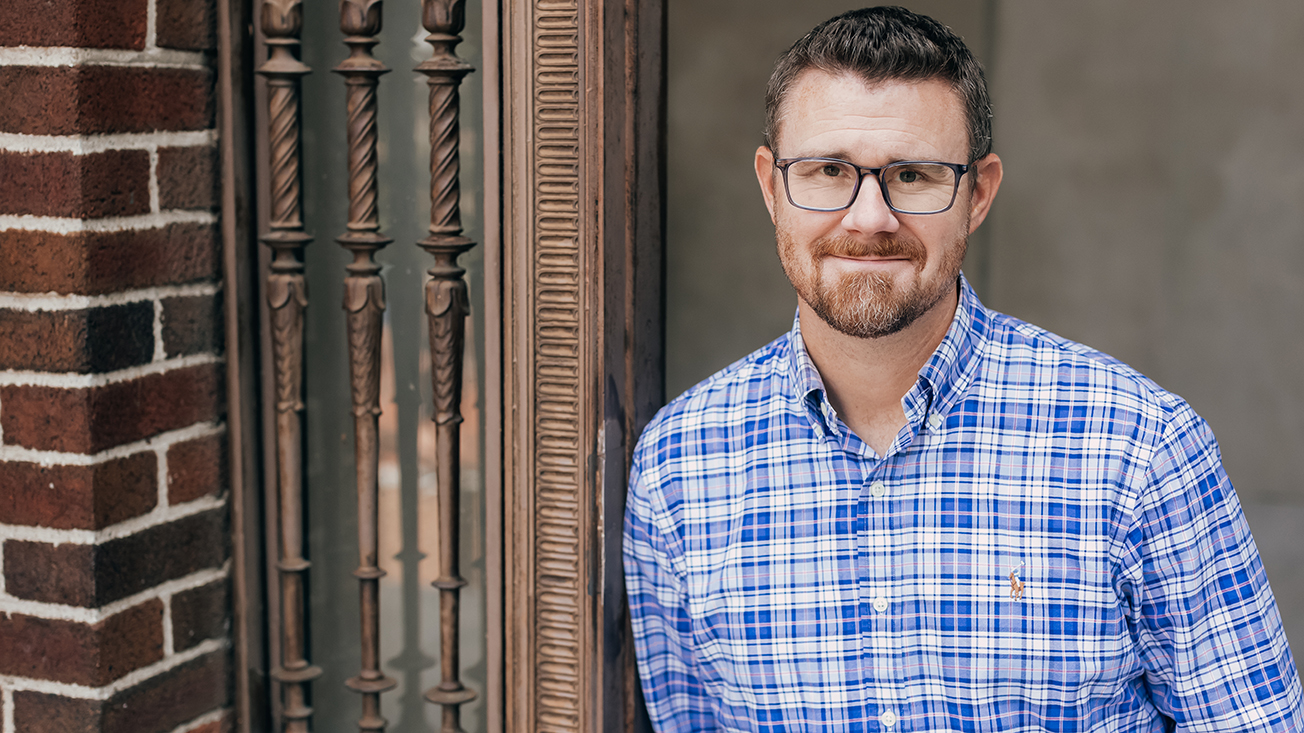
Mike Flanagan is Vice President of Capital Programs at Ann Arbor SPARK and Managing Director at the Michigan Angel Fund (“MAF”). Mike manages SPARK’s portfolio of early-stage technology investments and evaluates new opportunities to invest in and grow the Ann Arbor tech sector. He also helps manage the Michigan Angel Community, a new statewide partnership designed to accelerate angel investment in Michigan. At MAF, Mike sources, evaluates, and invests in early-stage Michigan technology companies, and helps manage a growing portfolio.
Prior to joining SPARK, Mike held various roles at the Michigan Economic Development Corporation (“MEDC”) including Director of Capital Markets and Director of Equity Programs. In those roles, he helped create and oversee the state’s private equity and loan programs, including the state’s private equity fund of funds, angel tax credit, mezzanine funds, and loan participation and collateral support programs. As part of these efforts, Mike also helped lead the creation, fundraising, and administration of an $80 million evergreen fund from the U.S. Treasury to help fund the growth of Michigan businesses.
Prior to joining the MEDC, Mike held several commercial banking roles at JP Morgan Chase and Morgan Stanley for 10 years. Mike holds a BA and MPA from the University of Michigan and has certifications from the Venture Capital Institute and Michigan Bankers Association. He is also a frequent speaker, panelist, and judge at economic development and industry events.
